ROV & DYKKER SERVICE AS · DNV-APPROVED · ESTABLISHED 2002
UWILD and In-Water Survey in Norway
DNV-approved ROV and diver inspection for shipowners, managers, superintendents and agents. We plan the survey around the vessel, class requirements and the available port window.
Request an inspection Call +47 905 26 343
DNV-approved in-water survey
ROV & Dykker Service AS holds DNV Approval of Service Suppliers under DNV-CP-0628 for in-water survey using divers and remotely operated vehicles. Certificate AOSS0000HGM, revision 3 was issued on 13 November 2026 and is valid from 16 November 2026 to 15 November 2029.
View our DNV certificate (PDF). The vessel's classification society decides whether an in-water survey can be accepted in place of dry-docking. Scope, method, surveyor attendance and reporting requirements are agreed for the individual vessel before work starts.
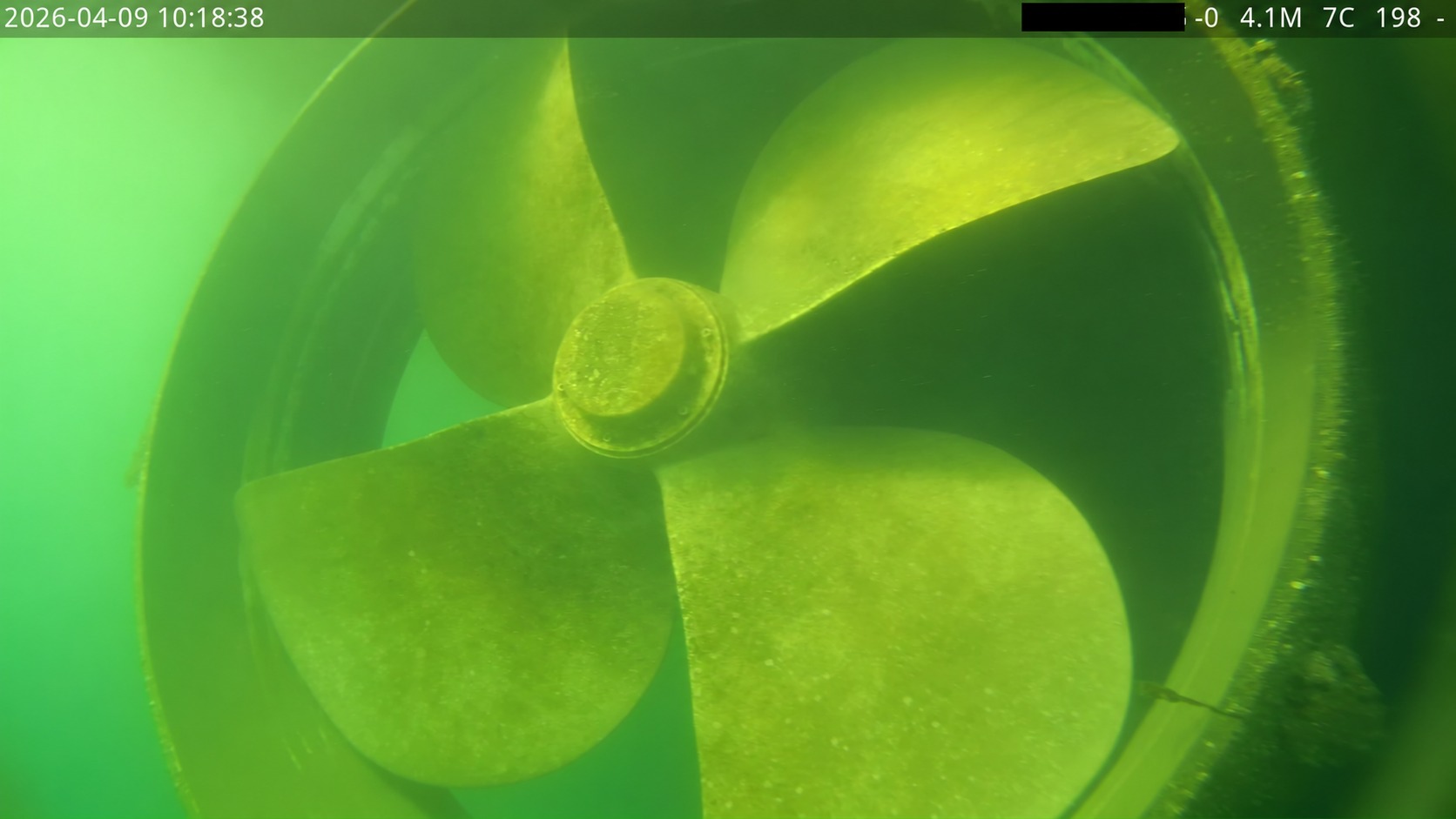
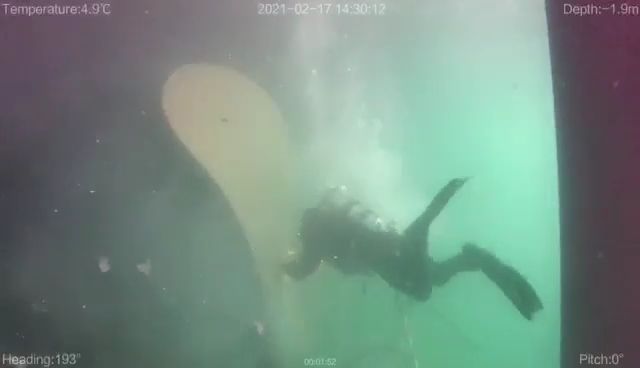
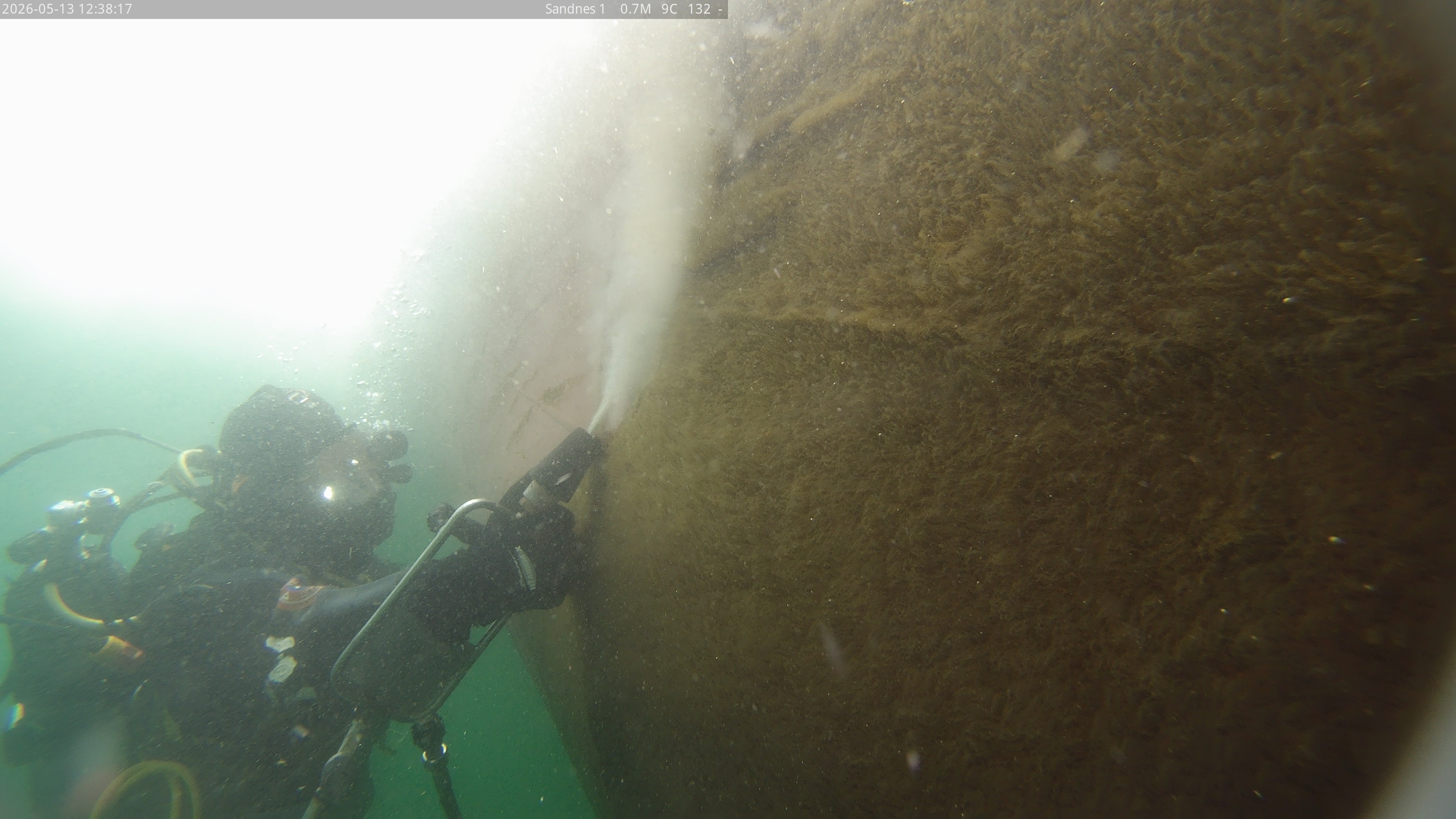
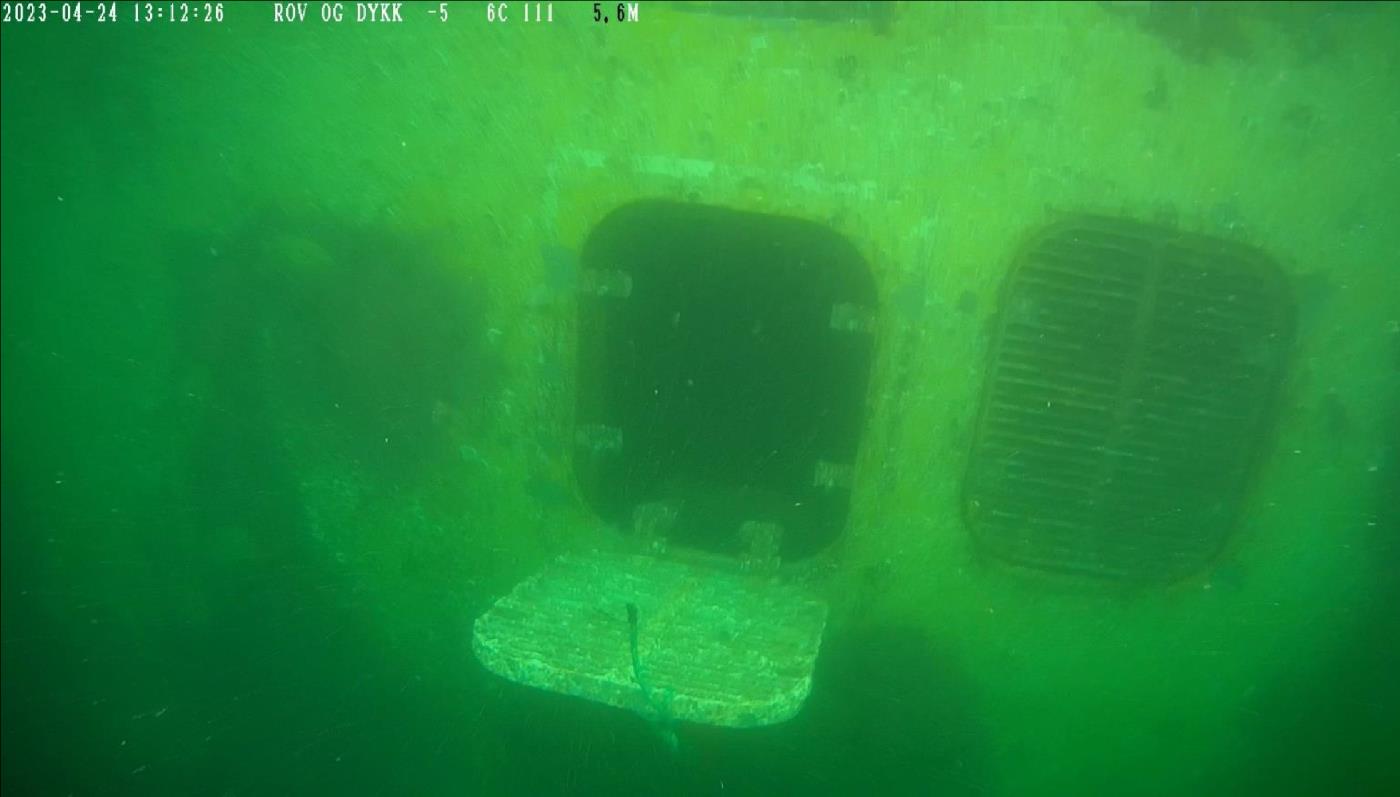
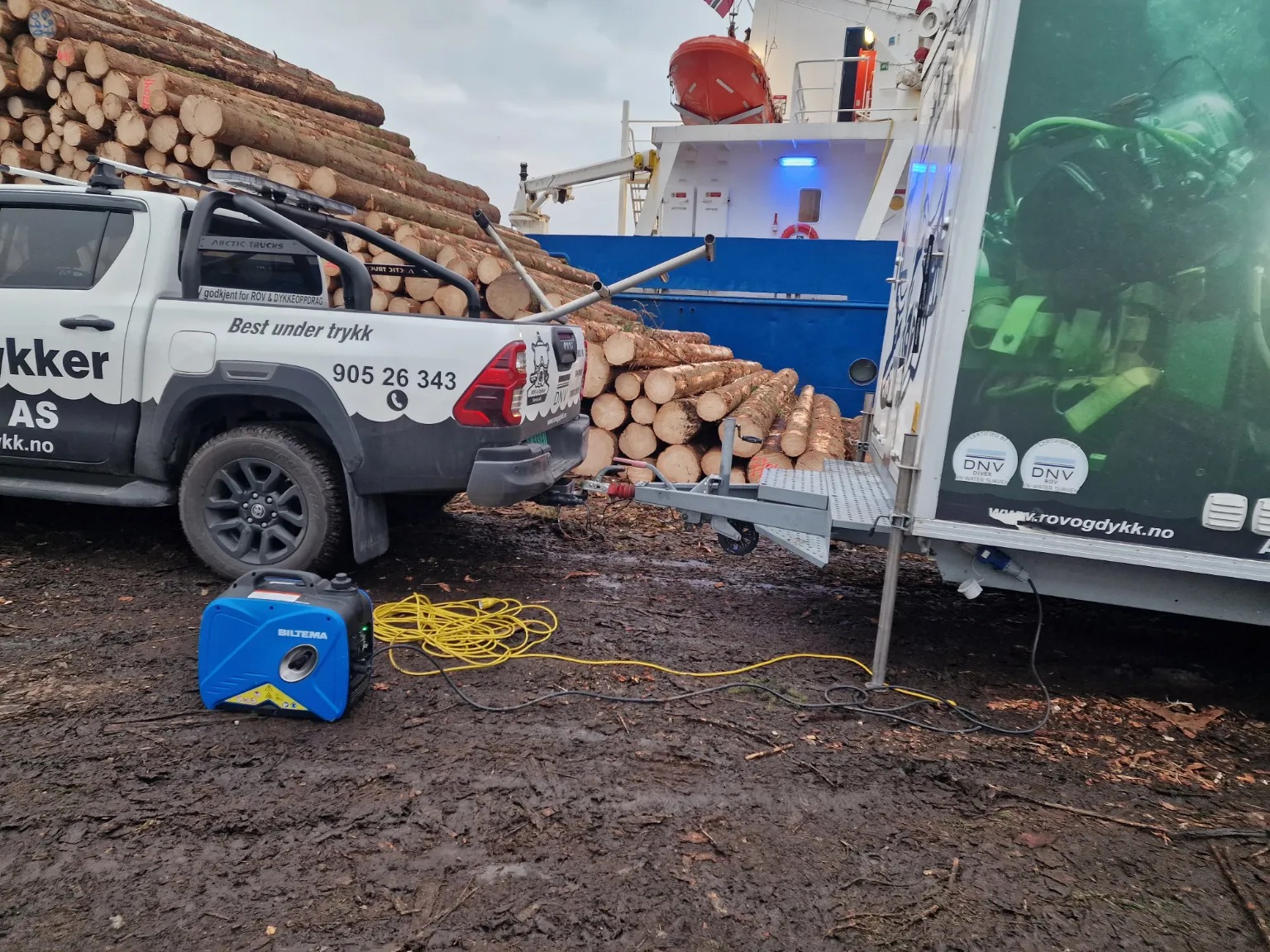
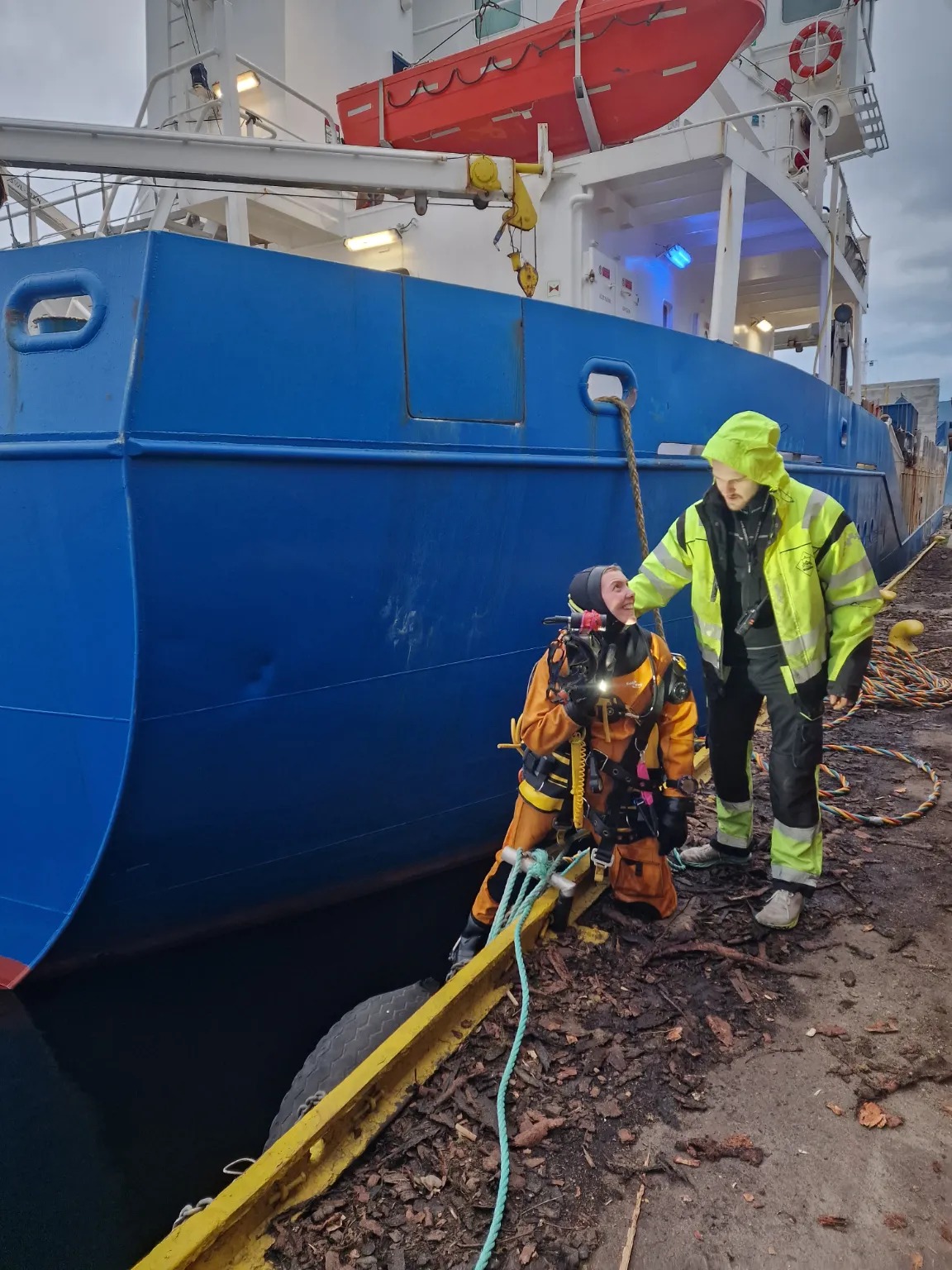
Underwater inspection – images from our own work
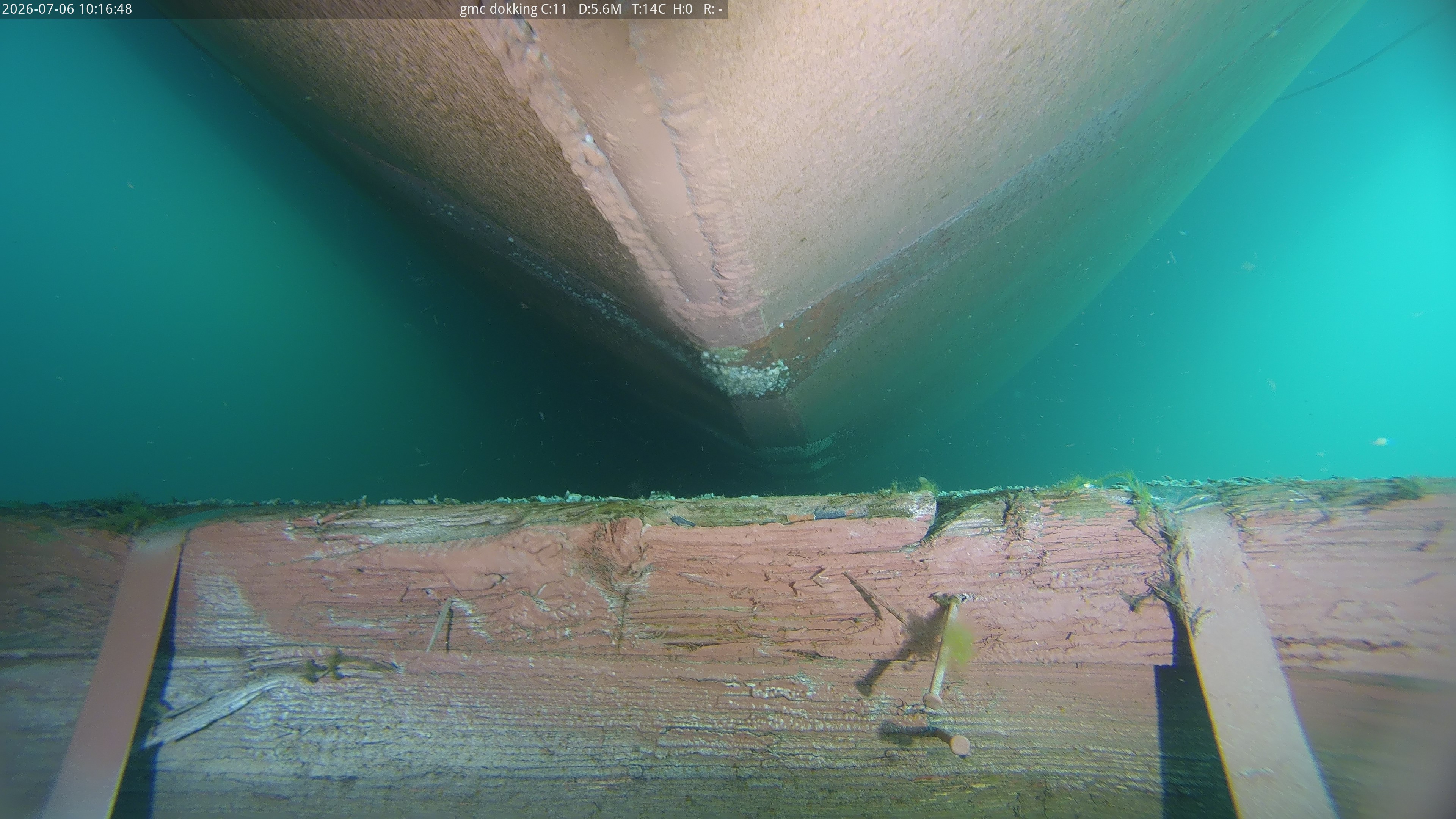
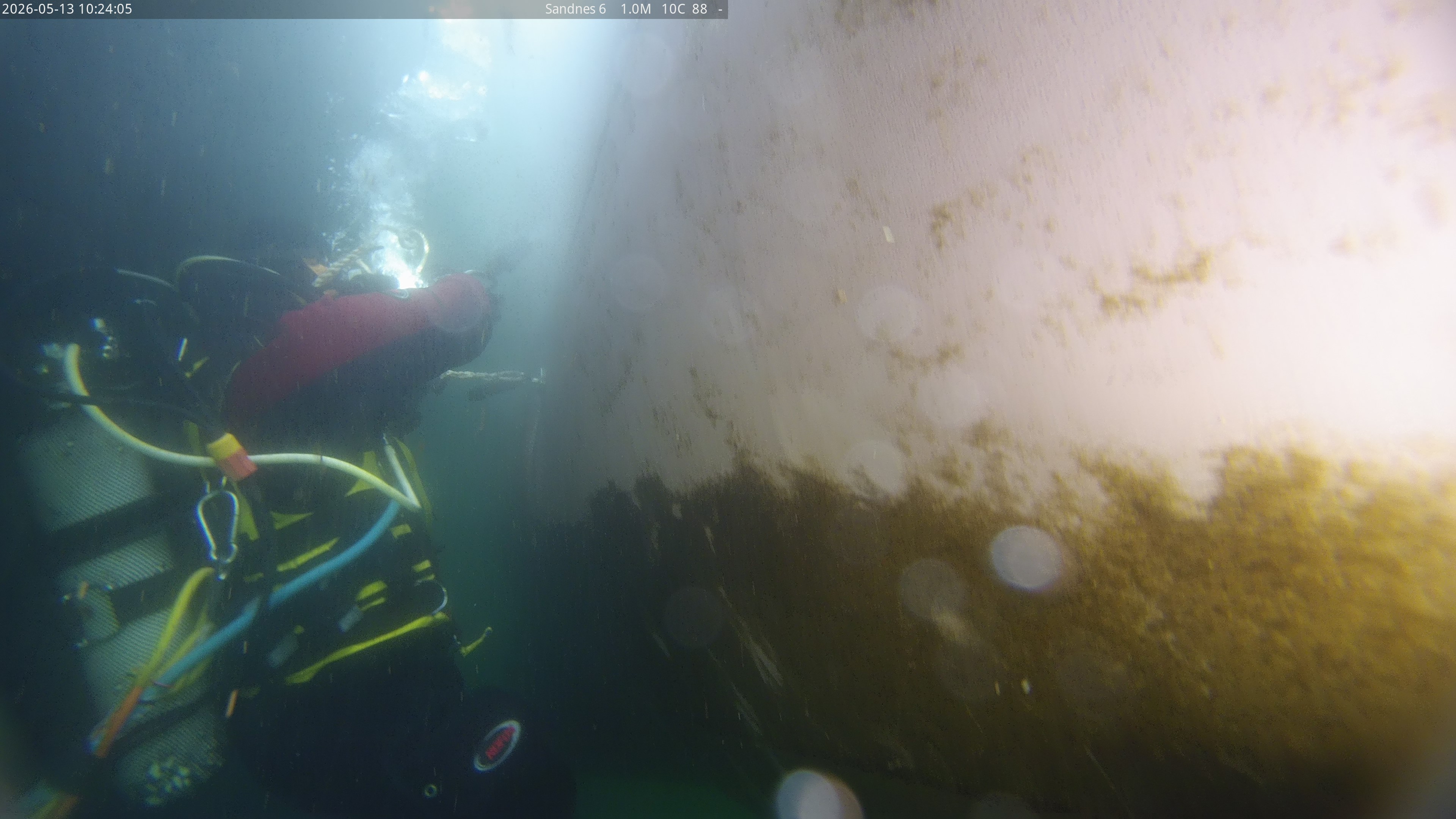
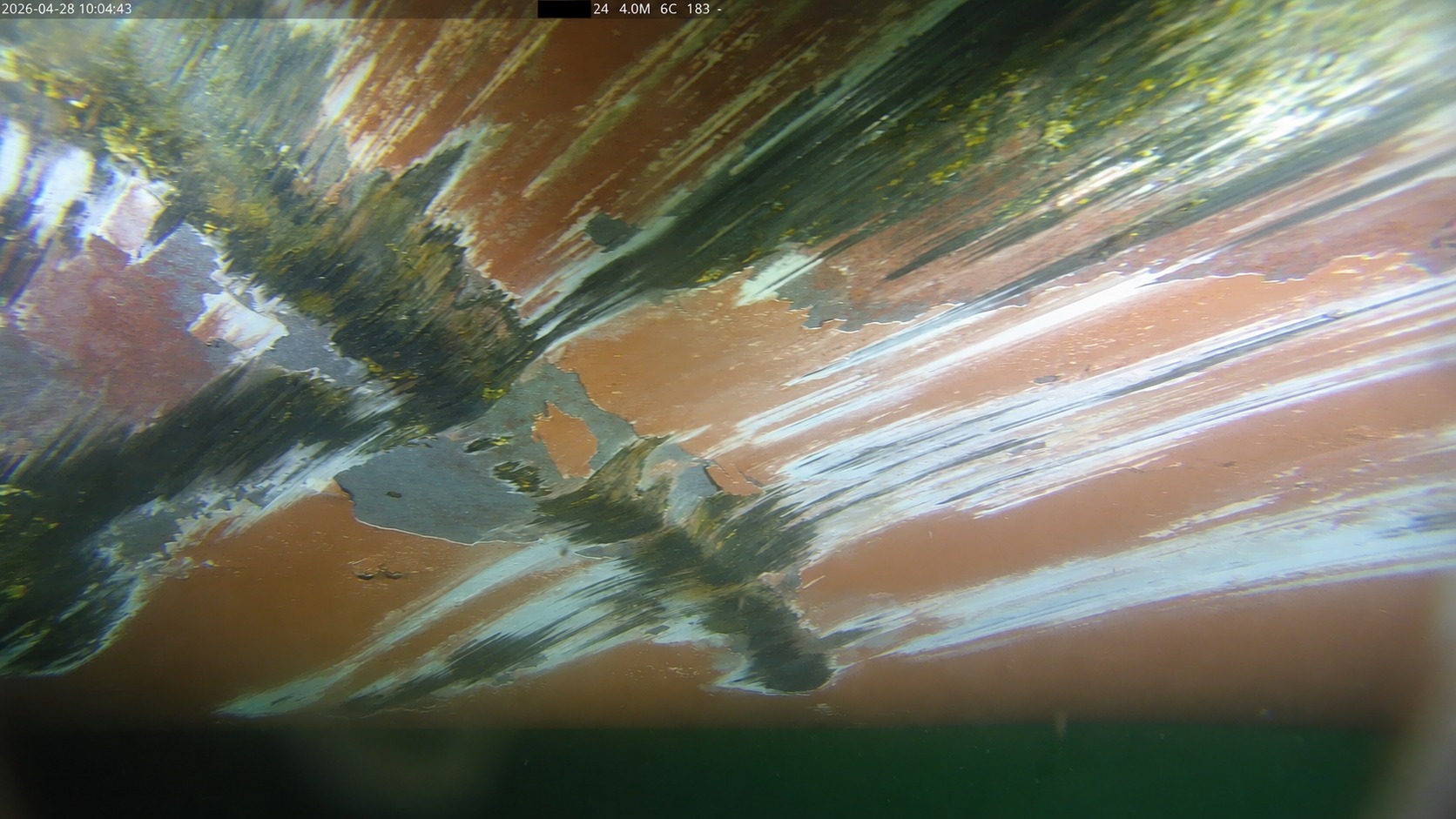
Swipe through hull and propeller footage, marine fouling and practical underwater work. These are examples from our inspection archive; locations vary by project.
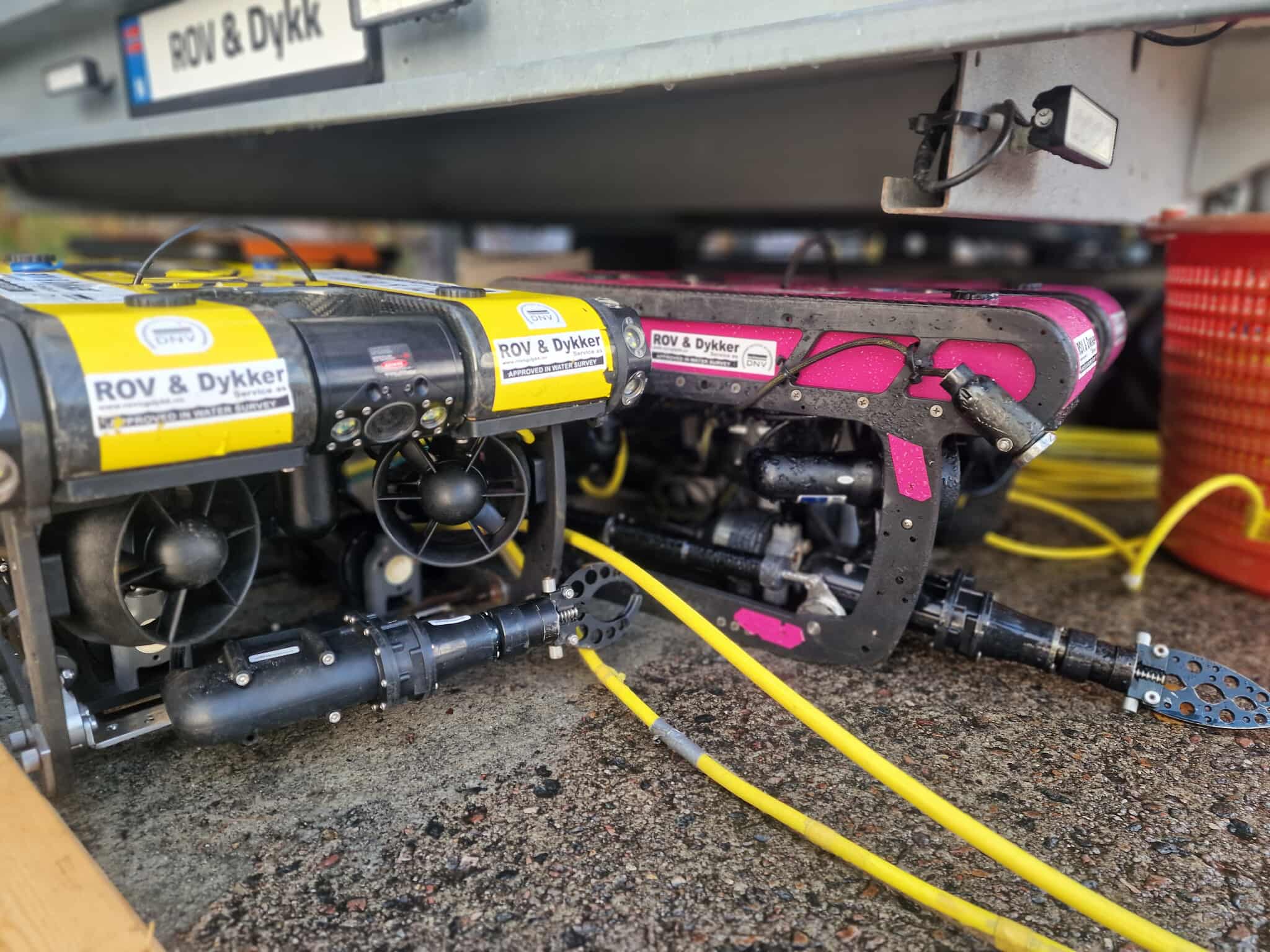
From the survey request to the inspection record
- Define the purpose. We distinguish a class survey from a damage assessment, fouling check, pre-purchase inspection or preparation for docking.
- Agree the class scope. We review the vessel drawings, underwater components, survey requirements and attendance arrangements with the owner and relevant class representative.
- Plan access and mobilisation. Quay access, draught, visibility, vessel operations and any cleaning requirements determine the ROV, diving and boat package.
- Inspect and document. Video, photographs and observations are organised around the agreed inspection points. Uninspected or obscured areas are identified so the limits of the inspection remain clear.
What we inspect below the waterline
Swipe through the inspection areas. We agree the components, level of detail and reporting with the owner and, where applicable, the class surveyor.
Marine fouling
We record visible growth on hull surfaces, propellers and underwater fittings, showing its extent and distribution as a basis for cleaning and maintenance planning.
Hull plating and bilge keels
We document accessible shell plating, weld lines and bilge keels, including visible damage and coating condition. Detailed measurements or testing are agreed separately.
Propellers
Blades, edges, hub and accessible nozzle areas are checked for fouling, visible damage and obstructions. Rope or net removal is planned as a separate hands-on task.
Rudders and steering components
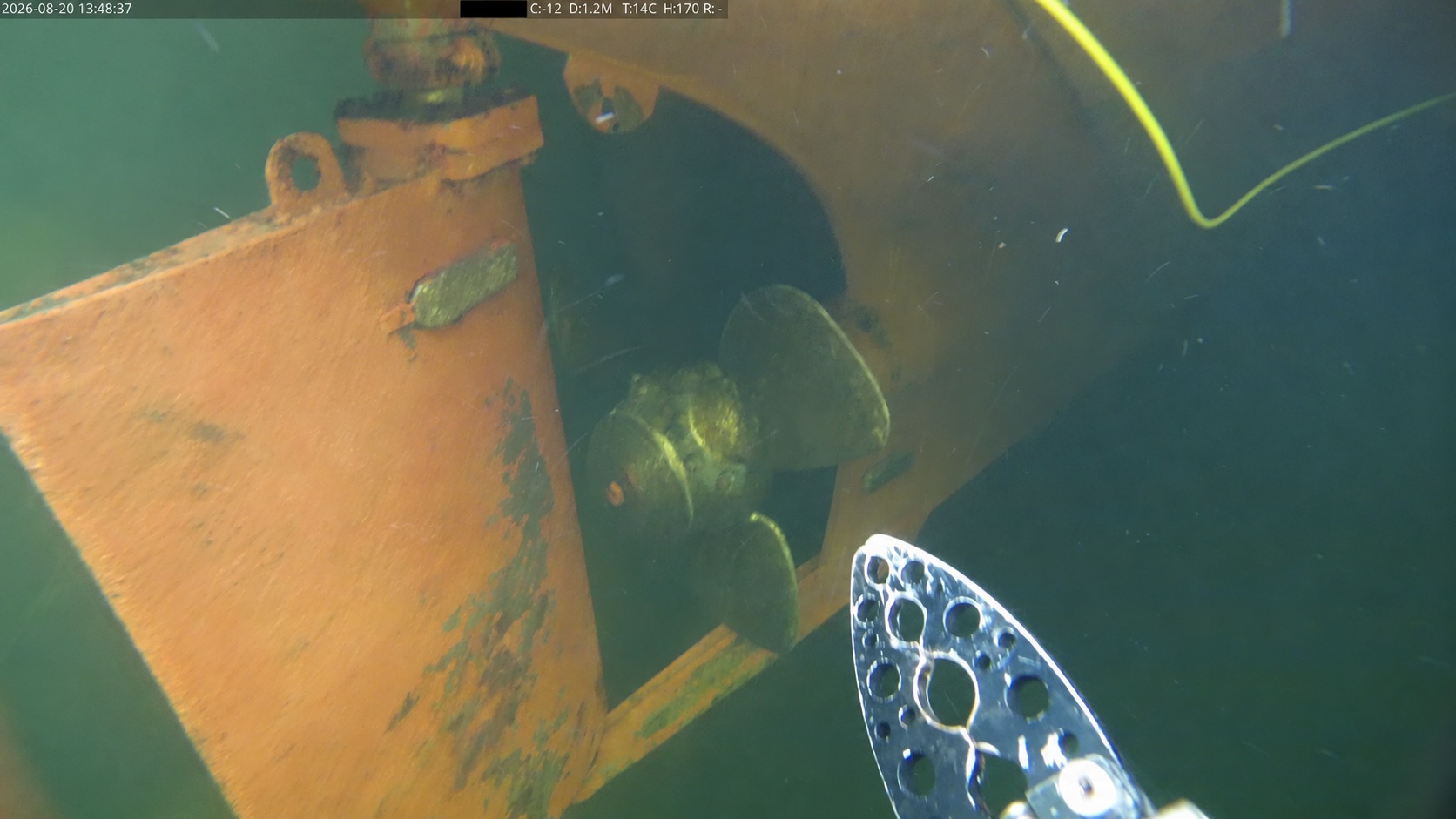
We document accessible rudder surfaces, edges, stock areas and fittings. Any requirement for physical checks or clearance measurements is agreed before the survey.
Thrusters
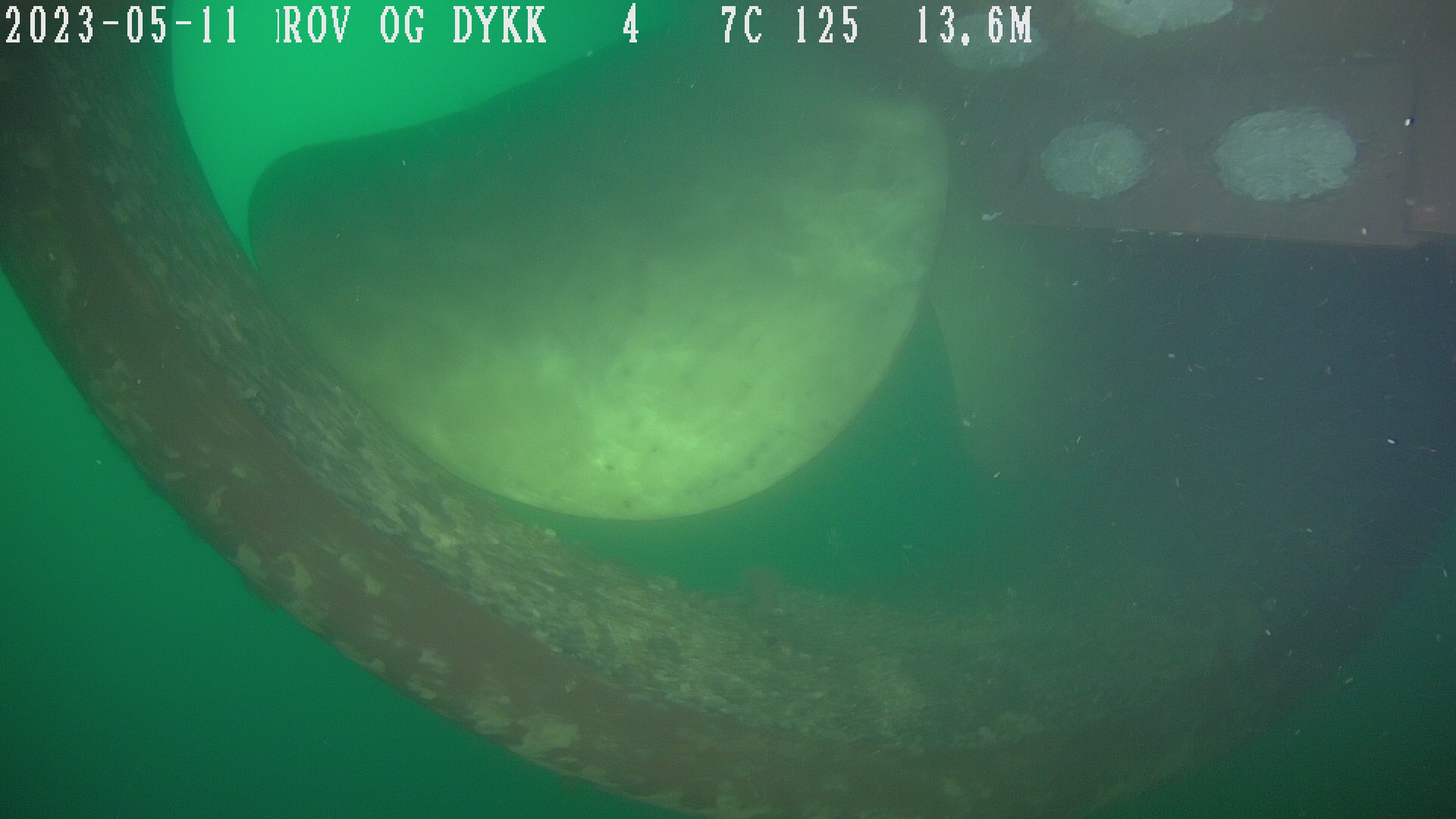
Accessible blades, tunnels, nozzles and gratings are inspected for growth, obstruction and visible damage. Safe isolation of propulsion equipment is agreed before work.
Sea chests and intakes
We inspect visible gratings and openings for fouling, blockage, damage and missing or loose parts. Internal access depends on the arrangement and agreed method.
Anodes and corrosion protection
We record visible anode condition, consumption and attachment points. Further investigation or replacement is agreed according to the vessel’s requirements.
Propeller polishing
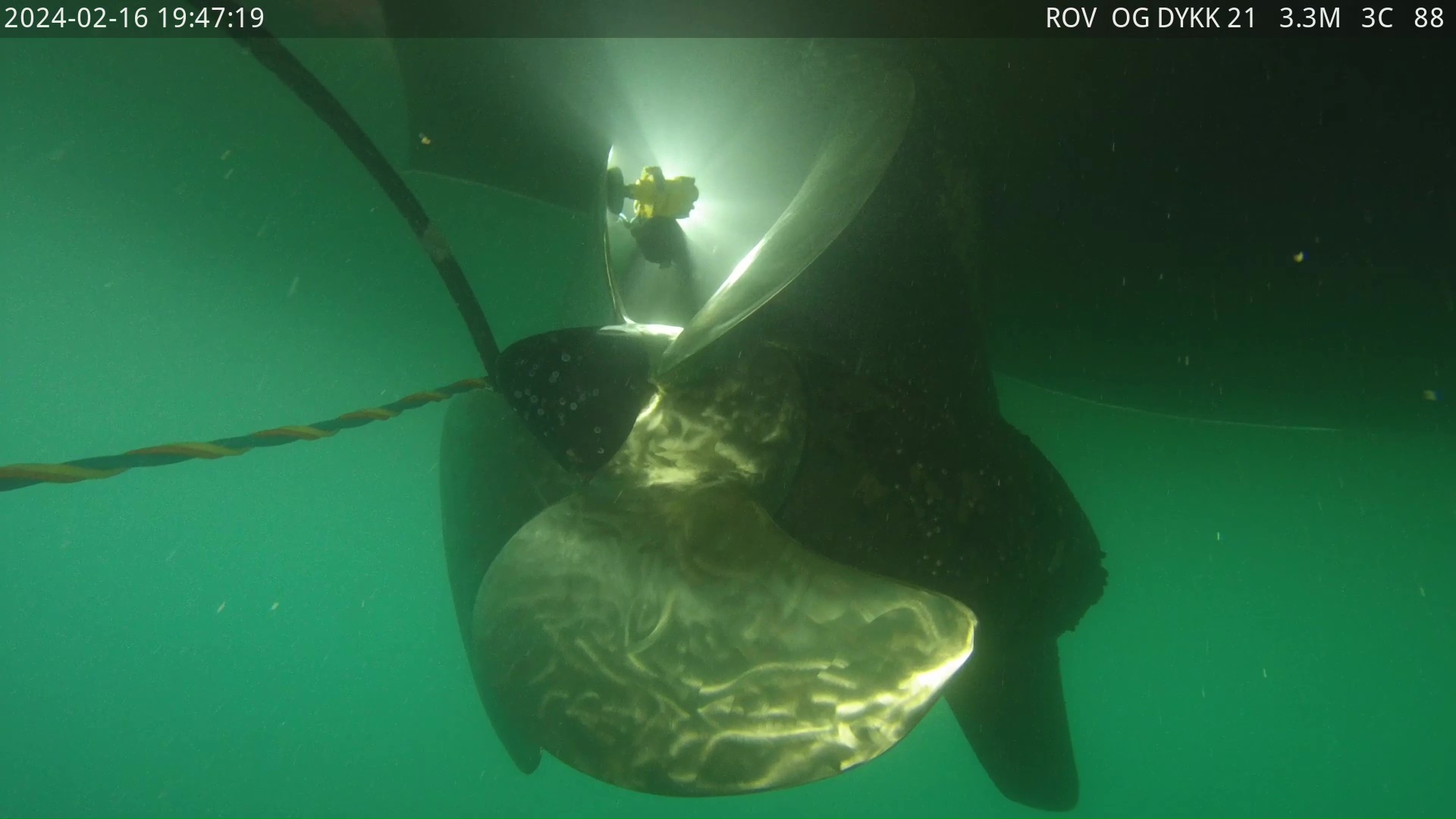
We assess marine growth and surface condition before agreeing cleaning or polishing. Accessible blades and the hub are documented before and after the agreed work.
Propeller polishing and hull cleaning (Norwegian)Rope and net removal
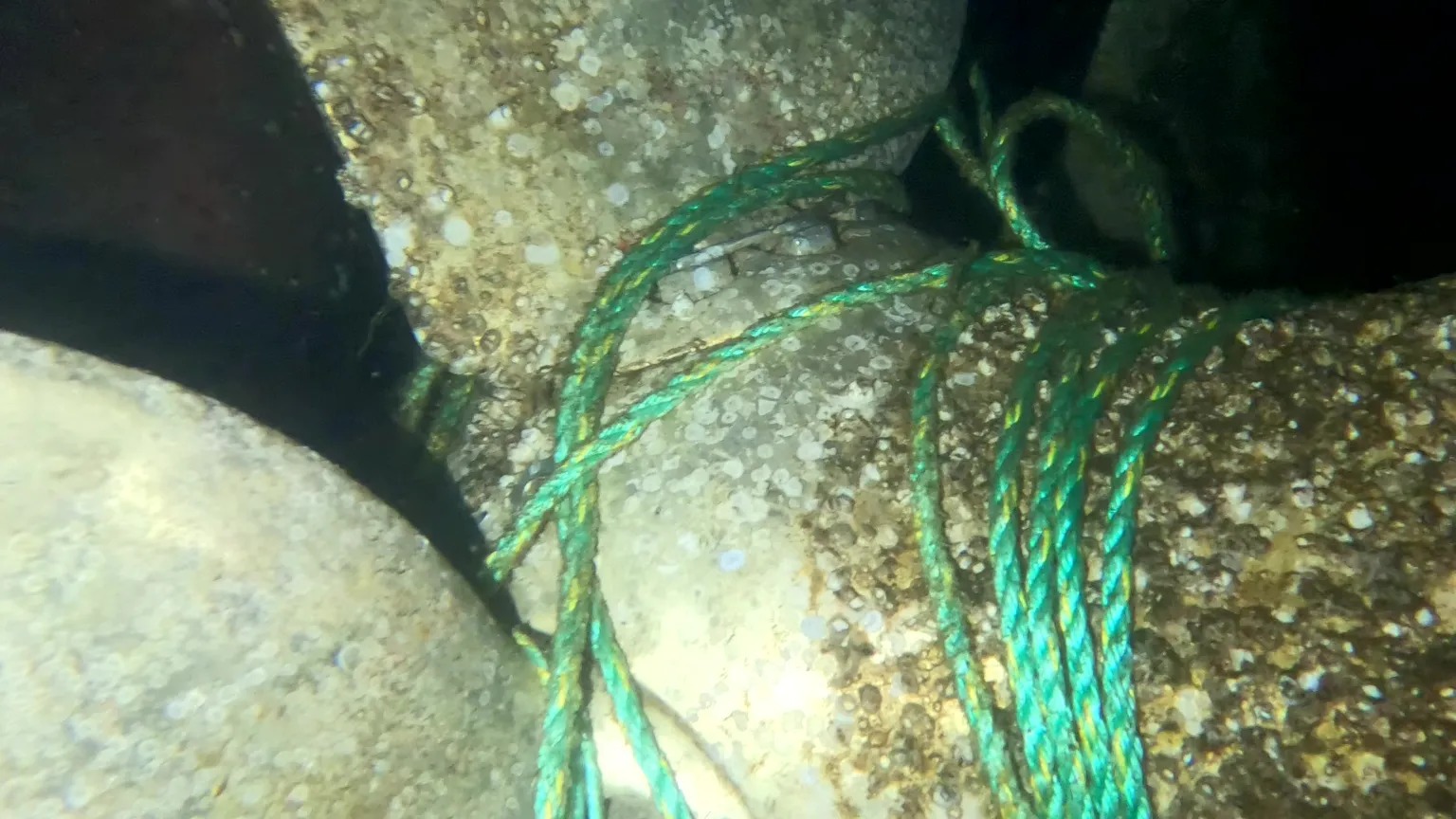
ROV inspection can document rope, line or fishing gear around the propeller. Our diving team can remove accessible obstructions after safe isolation and a job-specific work plan have been agreed.
Request inspection or rope removalROV, diver or a combined operation?
We use our own ROV systems for visual inspection and documentation, and surface-supplied commercial divers where cleaning, physical access or hands-on work is required. The method follows the survey scope and working conditions. ROV footage alone is not a guarantee that every class requirement has been met.
Documentation for the owner and surveyor
We agree the required video, still images and written observations before mobilisation. The record identifies the vessel, date, inspection points, findings and any limitations. Live video attendance can be arranged subject to the surveyor's acceptance and a suitable connection.
Our base, mobile stations and workboats
Our land base at Kvavik and sea base at Agnefest in Lyngdal provide a central starting point on the southern Norwegian coast, between the routes towards Rogaland and the Oslofjord ports.
- Road mobilisation: company vehicles and trailers carry ROV systems and mobile surface-supplied diving stations to suitable quays and worksites.
- Nemo: our fast ROV and diving catamaran has a top speed of about 30 knots. Sea mobilisation towards Stavanger or Oslofjord can be assessed where a boat is the right working platform; route, weather and operating conditions determine the plan.
- Munin: our workboat with an 8 tm crane supports diving and operations requiring lifting and a stable working platform.
- Smaller boats: Buster XXL, Silver Viking and Øien offer access close to the worksite, including trailer mobilisation where suitable.
For portable ROV inspection, personnel and equipment can also travel by air where practical. We confirm availability and a mobilisation plan with you rather than assume every job needs a boat. Explore our equipment and capacity (Norwegian).
Documented vessel work
Our published project archive includes ROV and diving support at GMC Yards Stavanger and inspection, cleaning and preparation of Deep Value Driller. These are examples of our own work, with original images and video. Project descriptions are in Norwegian.
Questions about UWILD and IWS
Are UWILD and IWS the same thing?
IWS describes the in-water survey. UWILD refers to an inspection accepted in place of dry-docking. Acceptance and the detailed requirements are decided by the vessel’s classification society.
Does DNV approval mean every class survey is automatically accepted?
No. Our service supplier approval and the acceptance of a specific survey are separate matters. We agree the scope, method and attendance with the relevant classification society for the vessel.
Can you inspect during a port call?
Yes, where access, time, conditions and safe isolation of underwater machinery allow it. Tell us the ETA, ETD, berth and purpose of the inspection so we can assess the working window.
What determines the price?
Vessel size, scope, location, mobilisation, access, fouling, visibility, cleaning needs and surveyor arrangements. We quote against the agreed work and explain the assumptions.
Fly-in UWILD/IWS worldwide: our two-person team can travel with a compact, 300 m depth-rated ROV system for vessel and offshore-unit inspections. Worldwide offshore mobilisation and 220 V operation.
Request an inspection
Send the vessel name and IMO number, port and berth or anchorage, draught, ETA/ETD, inspection purpose and class requirements. Include the local agent and surveyor contact where applicable.
post@rovogdykk.no · +47 905 26 343
We will assess the scope, mobilisation, access and reporting needed for your vessel.
Request an inspection
Tell us the location, what needs inspecting and your preferred date. We will reply with scope, availability and a quotation. Booking is confirmed after we agree the details.
Need help at short notice? We often have a team available the same day. Tell us where the job is and what you need, and we’ll check our availability and agree a time with you.

